Dualit Classic Kettle Review: A Premium Appliance with a Polished Performance and a Hefty Price Tag

The Dualit Classic Kettle represents a significant investment in kitchen hardware, positioning itself as a high-end alternative in a market saturated with budget-friendly options. Priced at $249 in the United States and £159 in the United Kingdom, this appliance is marketed toward consumers who prioritize aesthetic appeal, brand heritage, and rapid performance. While the electric kettle market offers functional units for as little as $30, Dualit attempts to justify its premium cost through a combination of patented technology, robust construction, and a design language that has become synonymous with British industrial chic. This review examines whether the Classic Kettle’s performance metrics and design choices align with its luxury price point, or if its polished exterior hides practical compromises.
The Heritage and Market Positioning of Dualit
To understand the Dualit Classic Kettle, one must first look at the manufacturer’s history. Founded in 1945 by Max Gort-Barten in a small workshop in London, Dualit initially gained fame for its commercial-grade toasters. These toasters became design icons, celebrated for their longevity and repairability. The Classic Kettle is part of this lineage, designed to complement the brand’s famous toasters while offering the same level of heavy-duty reliability.
In the contemporary kitchen appliance landscape, the kettle has evolved from a simple water-heating vessel into a status symbol. Brands like SMEG, Breville (Sage in Europe), and Fellow have carved out a "luxury utility" niche. Dualit sits at the upper echelon of this category. Its $249 price tag places it well above the $165 Fellow Stagg EKG—a favorite among pour-over coffee enthusiasts—and nearly ten times the price of mass-market glass kettles found at retailers like Walmart or Target. The brand relies on its "British-engineered" reputation to attract buyers who view their kitchen as a curated space rather than just a functional room.
Technical Specifications and Design Architecture
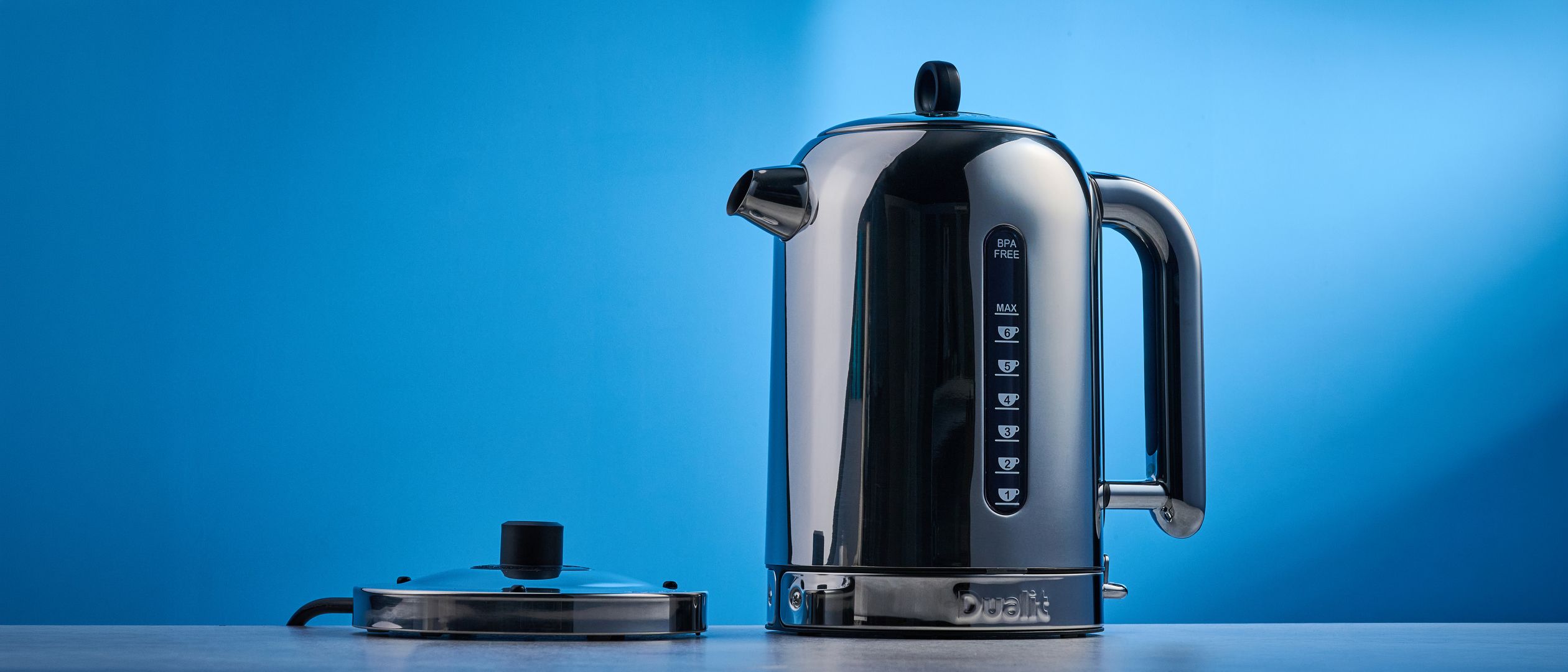
The Dualit Classic Kettle is a substantial piece of equipment, measuring 11.1 x 9.3 x 6.1 inches. Weighing in at 3.5 pounds when empty, it is noticeably heavier than many of its competitors, such as the Cosori Electric Glass Kettle. This weight is a byproduct of its stainless steel construction, which provides a level of durability often lacking in plastic-heavy models.
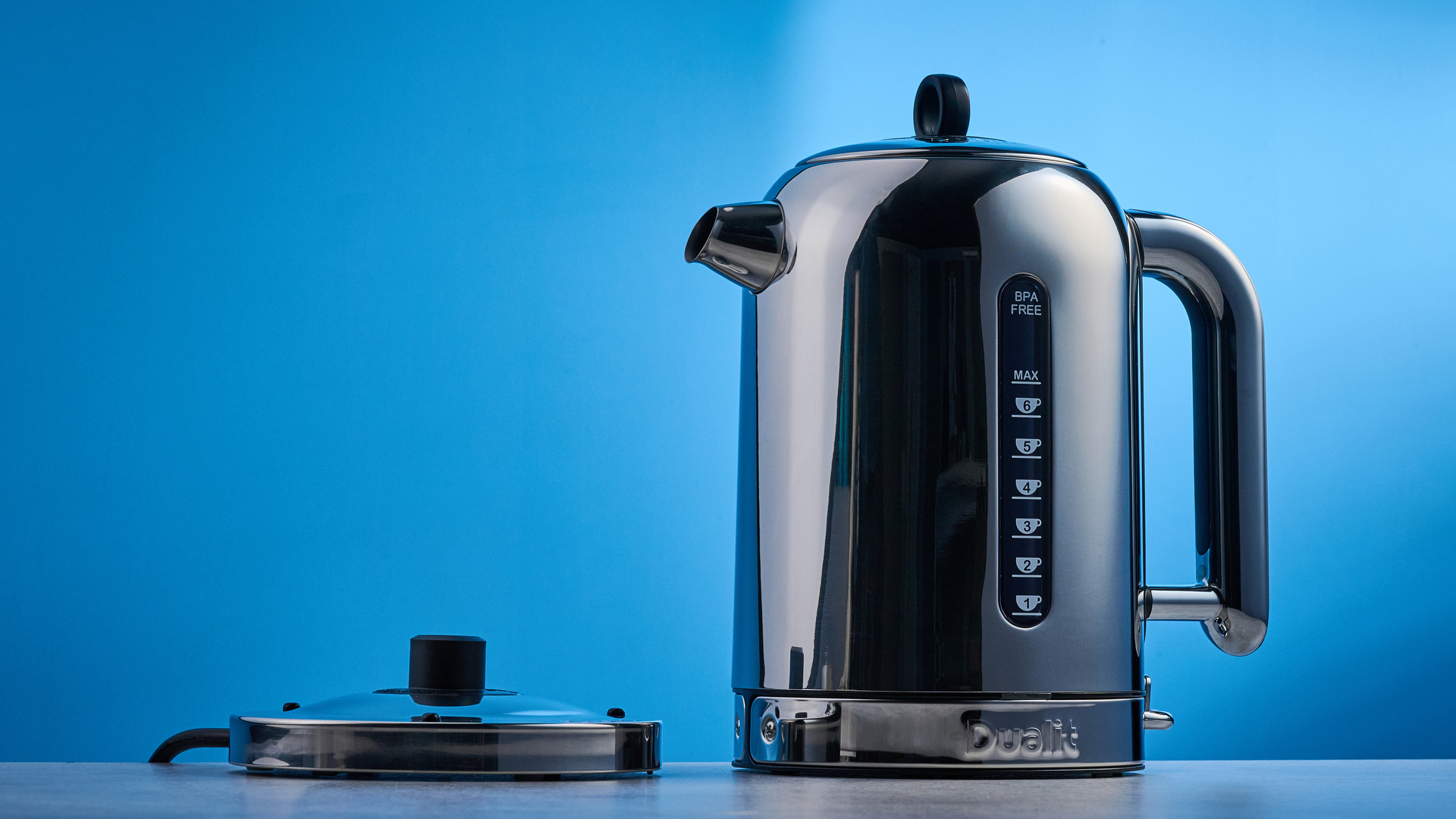
The unit features a 1.7-liter (approximately 1.8-quart) capacity, making it suitable for both individual use and larger gatherings. One of the most striking features of the kettle is its polished chrome finish, though the model is available in a wide spectrum of colors, including Sandstone, Sage, Matt Black, Brass, Copper, Eucalyptus, Evergreen, Shadow, and Damson. This variety allows it to integrate into various interior design schemes, from minimalist modern to rustic traditional.
The kettle is built with several specialized features:
- Whisper Boil: A patented technology designed to reduce the noise level during the heating cycle.
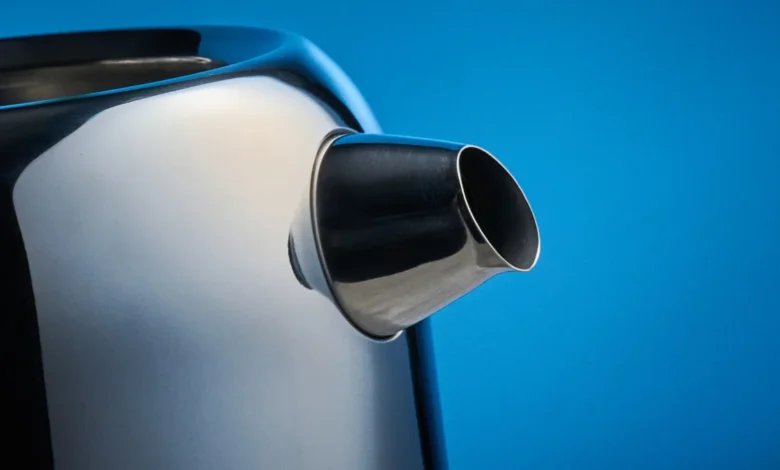
- Pure Pour Spout: A uniquely shaped spout intended to provide a smooth, consistent stream of water and eliminate the common issue of "kettle drip."
- BPA-Free Windows: Dual measuring windows, with one side calibrated in cups and the other in liters.
- Replaceable Elements: In keeping with the brand’s focus on longevity, certain components are designed to be serviceable.
Performance Metrics and Boiling Efficiency
Performance testing of the Dualit Classic Kettle reveals a highly efficient heating system. It is important to note that the performance varies by region due to electrical standards. The United Kingdom version operates on a 3kW element, while the United States version is rated at 1.5kW to comply with standard 110-120V household circuits.
During standardized testing of the 3kW UK model, the kettle demonstrated impressive speed:
- 1 Cup (250ml): 45 seconds
- 4 Cups (1L): 2 minutes, 13 seconds
- Max Capacity (1.7L): 3 minutes, 34 seconds
These times are significantly faster than those of entry-level kettles and even outperform some mid-range models. The speed is attributed to the high-quality heating element and the efficient heat transfer properties of the stainless steel vessel.
Beyond speed, heat retention is a critical metric for energy efficiency and user convenience. Immediately after reaching a rolling boil, the water temperature was recorded at 210°F (99.3°C). Thirty minutes after the initial boil, the water remained at 172°F (78°C). This high level of thermal insulation means that if a user requires a second cup of tea shortly after the first, the kettle requires significantly less energy to return to a boil, potentially offsetting some of its high initial cost over years of use.
Ergonomics and User Experience
While the Dualit Classic Kettle excels in speed, its physical design presents a more complex user experience. The "Pure Pour" spout is arguably the kettle’s most successful functional design choice. The downward-facing lip ensures that water breaks cleanly from the spout, preventing the scalding drips that often run down the body of cheaper kettles. This makes it a reliable choice for precision tasks, though coffee aficionados might still prefer the specialized control of a gooseneck kettle like the Fellow Stagg EKG.
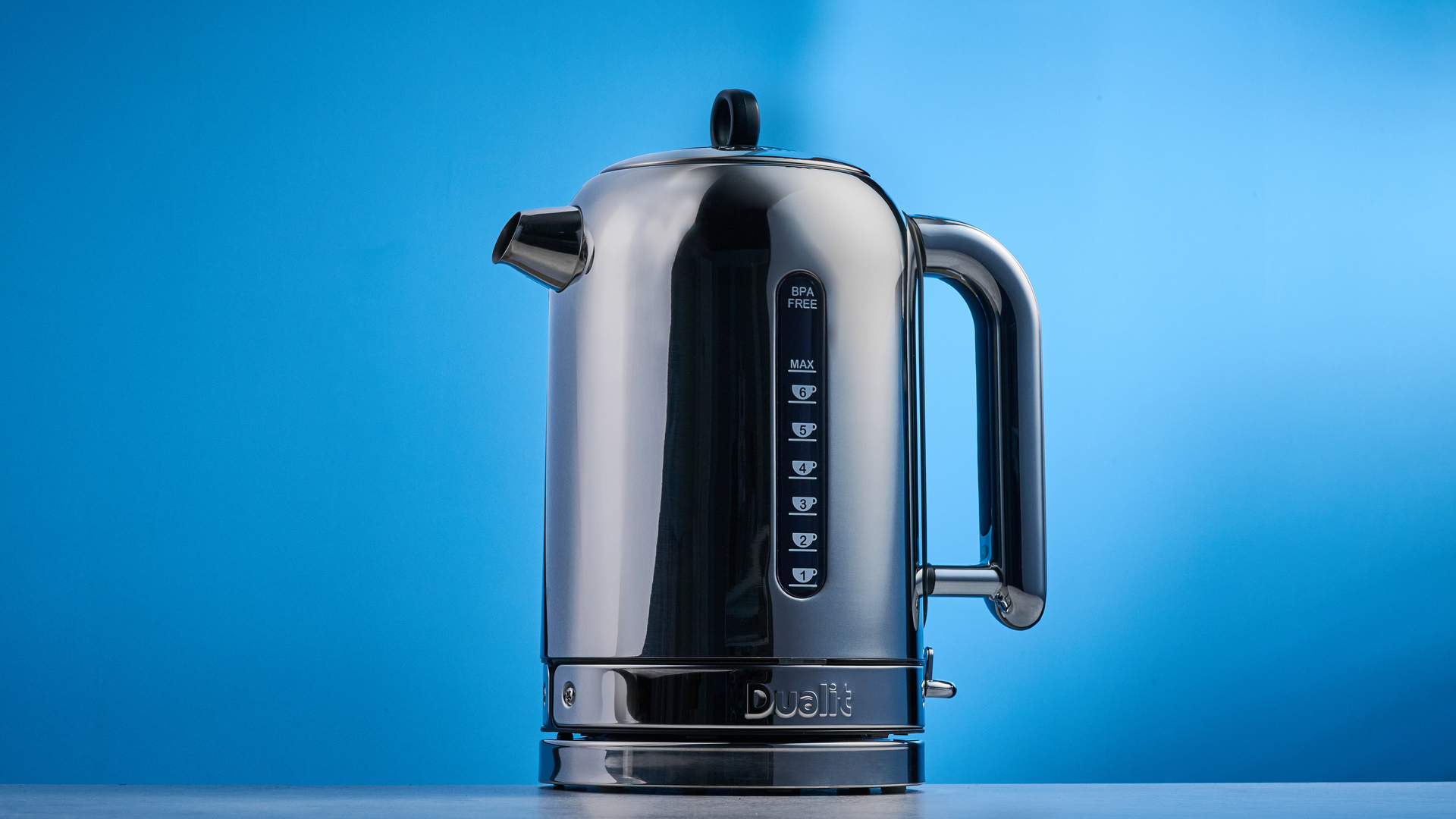
However, the kettle’s weight becomes a factor when filled to its 1.7-liter capacity. At full volume, the unit weighs approximately 7.2 pounds (including the water). For some users, especially those with limited wrist strength, the balance of the handle can make pouring a full kettle feel cumbersome.
The "Whisper Boil" feature, while marketed as a premium noise-reduction technology, yielded mixed results in a controlled environment. The kettle registered a noise level of 63dB during its peak boiling phase. While this is relatively quiet, it is comparable to the Ninja Precision Temperature Kettle and the Fellow Stagg EKG, suggesting that while the Dualit is not loud, it is not significantly quieter than other well-made modern kettles.
Maintenance and Aesthetic Longevity
The primary critique of the Dualit Classic Kettle involves the maintenance of its high-shine exterior. The polished chrome finish is a magnet for fingerprints, smudges, and watermarks. In a busy kitchen environment, maintaining the "showroom" look of the kettle requires frequent wiping with a microfiber cloth. For some consumers, this constant need for cleaning may detract from the appliance’s appeal.
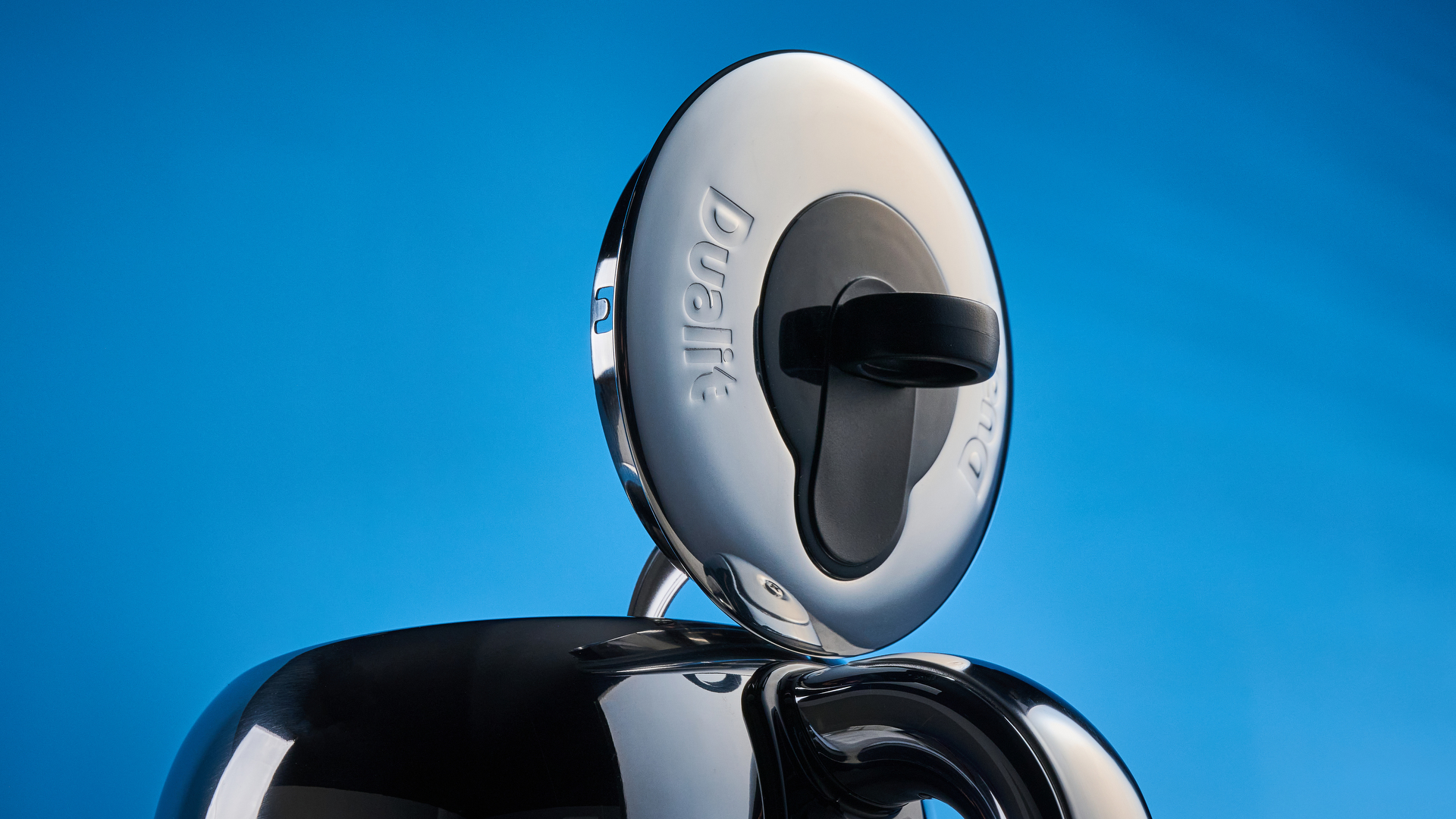
Internal maintenance is more straightforward. The kettle includes a removable, washable stainless steel limescale filter located behind the spout. This is a vital feature for users in hard-water areas, as it prevents mineral flakes from entering the cup. For deep cleaning, the wide hinged lid allows for easy access to the interior for descaling with citric acid or commercial solutions. The lid itself is sturdy and features a heat-resistant knob, though the tension of the hinge requires a firm pull to open.

Competitive Landscape and Value Proposition
When evaluating the Dualit Classic Kettle, it is essential to compare it to the broader market.
- The Budget Alternative: The Cosori Electric Glass Kettle ($27) provides basic functionality and a visual boiling experience. However, it lacks the heat retention and drip-free spout of the Dualit, and its plastic components may raise concerns for some users regarding long-term durability.
- The Tech-Forward Choice: The Ninja Precision Temperature Kettle ($89) offers variable temperature settings, which the Dualit lacks. For users who brew green tea or specialty coffee that requires specific temperatures (e.g., 175°F or 185°F), the Ninja provides more utility at a lower price.
- The Specialist Tool: The Fellow Stagg EKG ($165) is the gold standard for pour-over coffee. While it has a smaller capacity (0.9L), its precision and "hold" feature make it a better fit for enthusiasts, whereas the Dualit is a general-purpose "workhorse."
The Dualit Classic Kettle does not attempt to compete on features like digital temperature control or smart home integration. Instead, its value proposition is built on "analogue" excellence: fast boiling, high-quality materials, and a timeless silhouette.
Official Responses and Sustainability Analysis
While Dualit has not issued a specific statement regarding the Tom’s Guide review, the company’s broader corporate messaging emphasizes sustainability through repairability. Unlike many modern appliances that are designed to be disposed of when a single component fails, Dualit maintains a stock of spare parts for its Classic range. This "right to repair" philosophy is a significant factor in the kettle’s high price; consumers are paying for an appliance that is intended to last decades rather than years.
Industry analysts note that the luxury kitchen appliance market is growing, driven by a consumer shift toward "buy it once, buy it right" purchasing habits. The Dualit Classic Kettle fits this trend perfectly. While the $249 price is high, the cost-per-use over a ten-year lifespan may be lower than that of several $30 kettles that fail and require replacement.
Final Verdict and Broader Implications
The Dualit Classic Kettle is a study in premium trade-offs. It is undeniably one of the fastest and most aesthetically pleasing kettles on the market. Its "Pure Pour" spout solves a genuine pain point for kettle users, and its heat retention metrics are top-tier. However, the lack of temperature control—a feature now common in kettles half its price—is a notable omission for a $249 device.
For the design-conscious consumer who wants a dependable, fast-boiling appliance that makes a statement on the countertop, the Dualit is a "decent option" that delivers on its core promises. However, for the pragmatic buyer, the maintenance requirements of the chrome finish and the high entry price may be difficult to justify. Ultimately, the Dualit Classic Kettle is less of a mere appliance and more of a kitchen heirloom, designed for those who value the intersection of British engineering and classic style over modern digital bells and whistles.